

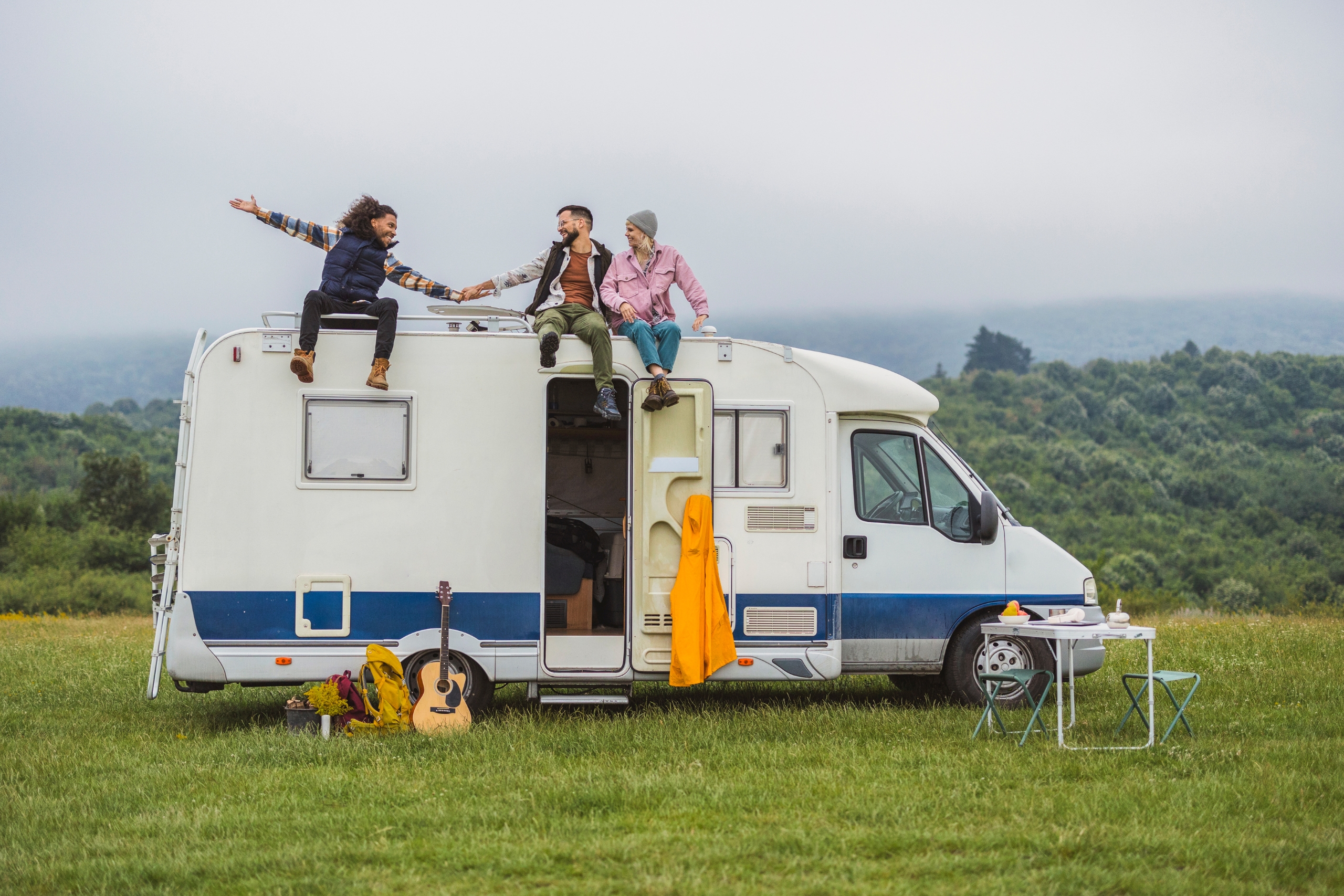
Traveling is a dream for many people, offering opportunities to explore new places, experience different cultures, and create lasting memories. However, rising fuel costs have made travel more expensive, especially when it comes to transportation such as flights, road trips, and tours. For many travelers, this increase in expenses can feel discouraging and may even lead to postponing plans altogether.
Despite these challenges, achieving travel goals is still possible with the right approach. By planning carefully, making smart choices, and exploring alternative options, travelers can reduce costs without sacrificing the quality of their experiences. The key is to focus on flexibility, efficiency, and creativity when organizing trips. This article explores practical strategies that can help individuals continue traveling even when fuel prices are high, allowing them to enjoy meaningful journeys while staying within budget.
Planning Ahead for Better Cost Control
One of the most effective ways to manage travel expenses is to plan ahead. Early planning allows travelers to secure better deals on transportation, accommodations, and activities. Booking flights and tickets in advance often results in lower prices compared to last-minute reservations.
Planning also provides the opportunity to compare different options. Travelers can evaluate various routes, travel dates, and transportation methods to find the most cost-effective solutions. This level of preparation helps avoid unnecessary expenses and ensures that the trip stays within budget.
Flexibility is another important aspect of planning. Being open to adjusting travel dates or destinations can lead to significant savings. Traveling during off-peak seasons or choosing less crowded locations often results in lower costs.
By investing time in planning, travelers can make informed decisions that reduce the impact of rising fuel prices and create a more affordable travel experience.
Choosing Cost-Effective Transportation Options
Transportation is one of the main factors affected by fuel prices. Selecting cost-effective options can make a significant difference in overall travel expenses. Public transportation, such as buses and trains, is often more affordable than private vehicles or flights.
Carpooling or sharing rides is another practical solution. Traveling with friends or joining shared transport services allows costs to be divided among multiple people, reducing individual expenses.
For shorter distances, alternative methods such as cycling or walking can also be considered. These options not only save money but also provide a unique way to explore destinations.
Air travel can still be affordable with the right strategies. Comparing airlines, using fare alerts, and choosing budget carriers can help reduce costs.
In the context of Travel and Tourism, selecting the right transportation method is essential for balancing convenience and affordability.
Optimizing Accommodation Choices
Accommodation is another area where travelers can save money. Instead of choosing expensive hotels, exploring alternative options can significantly reduce costs. Budget accommodations, guesthouses, and short-term rentals often provide comfortable stays at lower prices.
Sharing accommodations with friends or family can also help reduce expenses. Splitting the cost of a larger space is often more economical than booking multiple rooms.
Location plays an important role as well. Staying slightly outside popular tourist areas can result in lower prices while still providing access to attractions. Public transportation can bridge the distance, making it a practical choice.
Planning accommodation in advance and comparing options ensures that travelers find the best value for their budget.
By optimizing accommodation choices, travelers can allocate more of their budget to experiences and activities.
Managing Daily Expenses During Travel
Controlling daily expenses is essential for maintaining a travel budget. Small costs, such as meals, transportation, and activities, can add up quickly if not managed carefully.
One effective strategy is to set a daily budget. This helps travelers track their spending and avoid overspending. Planning meals in advance or choosing local dining options can also reduce costs.
Exploring free or low-cost attractions is another way to save money. Many destinations offer parks, museums, and cultural sites that can be enjoyed without high fees.
Using travel apps and tools can help identify discounts and special offers. These resources provide valuable information that supports cost-effective decisions.
By managing daily expenses, travelers can extend their trips and enjoy more experiences without exceeding their budget.
Taking Advantage of Travel Deals and Rewards
Travel deals and reward programs can significantly reduce expenses, especially when fuel prices are high. Many airlines, hotels, and travel platforms offer loyalty programs that provide discounts, points, or other benefits.
Signing up for these programs allows travelers to accumulate rewards that can be used for future trips. This can include discounted flights, free nights, or special offers.
Promotions and seasonal deals are also worth exploring. Travel companies often provide discounts during certain periods, making it possible to save on major expenses.
Using credit card rewards or travel-specific cards can also provide additional savings. These options often include benefits such as cashback or travel credits.
By taking advantage of deals and rewards, travelers can reduce costs and make their trips more affordable.
Embracing Flexible and Alternative Travel Styles
Flexibility is one of the most important factors in achieving travel goals despite rising fuel costs. Being open to different travel styles can lead to more affordable and enjoyable experiences.
For example, slow travel focuses on spending more time in one location rather than visiting multiple destinations. This reduces transportation costs and allows for a deeper connection with the place.
Exploring nearby destinations is another practical approach. Local travel often requires less fuel and can still provide unique and memorable experiences.
Alternative travel styles, such as backpacking or budget travel, emphasize cost efficiency and simplicity. These approaches encourage travelers to focus on meaningful experiences rather than luxury.
By embracing flexibility, travelers can adapt to changing conditions and continue pursuing their travel goals.
Conclusion
Rising fuel costs may present challenges, but they do not have to prevent individuals from achieving their travel goals. With careful planning, smart choices, and a flexible approach, it is possible to explore new destinations while staying within budget. From selecting cost-effective transportation and accommodation to managing daily expenses and taking advantage of deals, each strategy contributes to a more affordable travel experience. In the world of Travel and Tourism, adapting to changing circumstances is essential for maintaining the joy of exploration. By focusing on efficiency and creativity, travelers can continue to enjoy meaningful journeys and create lasting memories, regardless of rising costs.